Why Drought-Resistant Gardening Matters in Sydney
Sydney’s climate, with its hot, dry summers and drought risks, calls for a shift in gardening habits. Sustainable gardening Australia-wide, especially in Sydney, means working with the local environment to conserve water and reduce waste. Drought-resistant gardens Australia have become a necessity as water conservation gains priority, with El Niño years often bringing drier conditions that can turn lush lawns brittle if unprepared.
Opting for drought-tolerant garden Australia strategies cuts water use and lowers costs. It’s about building a landscape that supports local ecosystems while enhancing your property’s appeal. Arianya’s expertise in Garden Maintenance, including Weeding & Mulching, Garden Bed Maintenance, and Irrigation System Upkeep, helps create water-smart spaces that thrive naturally, leveraging Sydney’s dry summers to reduce garden stress.
Choosing the Right Plants for Dry Conditions
Drought-Resistant Plants
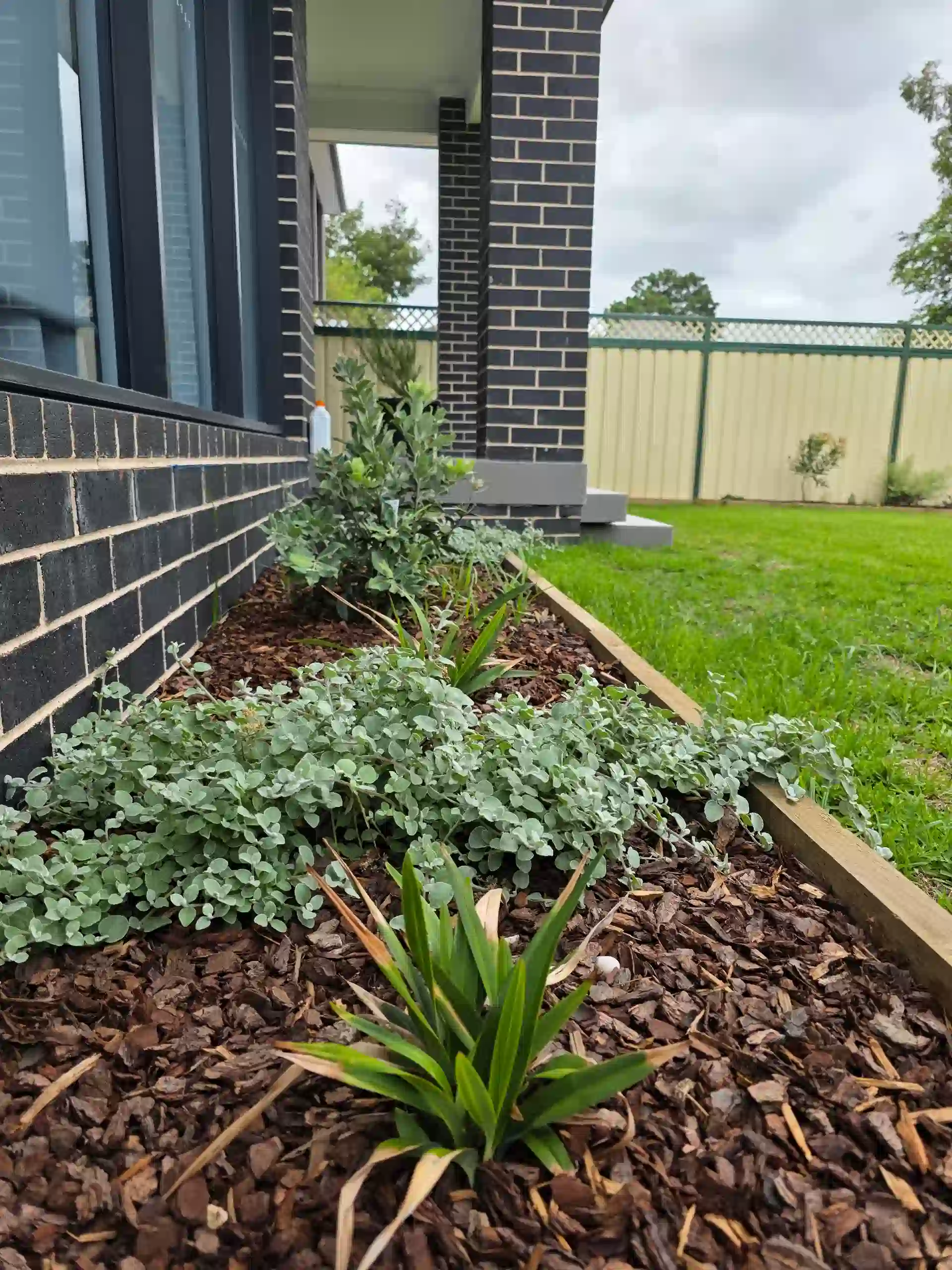
The foundation of a drought-hardy garden lies in selecting the right plants. It’s best to use low-maintenance Australian native garden plants suited to Sydney, such as kangaroo paw, grevillea, and westringia.
These native species thrive with minimal water once established, aligning with sustainable gardening Australia principles. Fast-growing drought-tolerant trees Australia offers, like lemon-scented gum or callistemon, provide shade and structure without excessive demands.
Arianya’s landscape maintenance team can guide you in planting these low-water species, which reduce soil erosion and keep roots cool during heatwaves. Avoid high-maintenance exotics that need constant care—choose plants that suit Sydney’s climate for long-term success.
Ground Cover Plants: A Smart Alternative to Thirsty Lawns
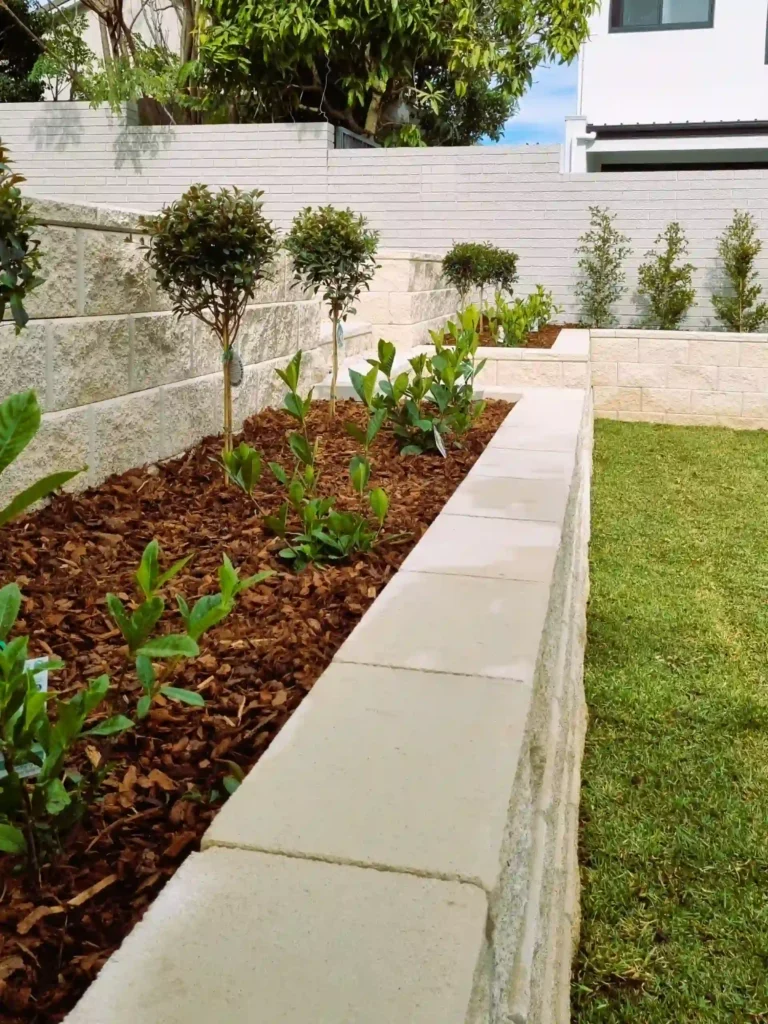
Water-hungry lawns struggle in Sydney’s dry spells. Native ground cover plants Australia, like dichondra or lippia, offer a smart swap. These plants spread across the soil, suppressing weeds and retaining moisture, fitting perfectly with drought-tolerant garden Australia goals.
We’ll help you choose the best seeds, and here you can find a list of popular lawn grass types in Australia, along with the pros and cons of each.
Sprinkler Systems and Smart Watering Solutions
Managing water effectively is crucial for keeping your garden thriving during Sydney’s dry seasons, especially when traditional watering methods fall short. Sprinkler systems and smart watering solutions offer practical ways to deliver moisture efficiently, reducing waste and ensuring plants get what they need. Here’s a deeper look at these options to help you prepare your garden.
Understanding Sprinkler Systems
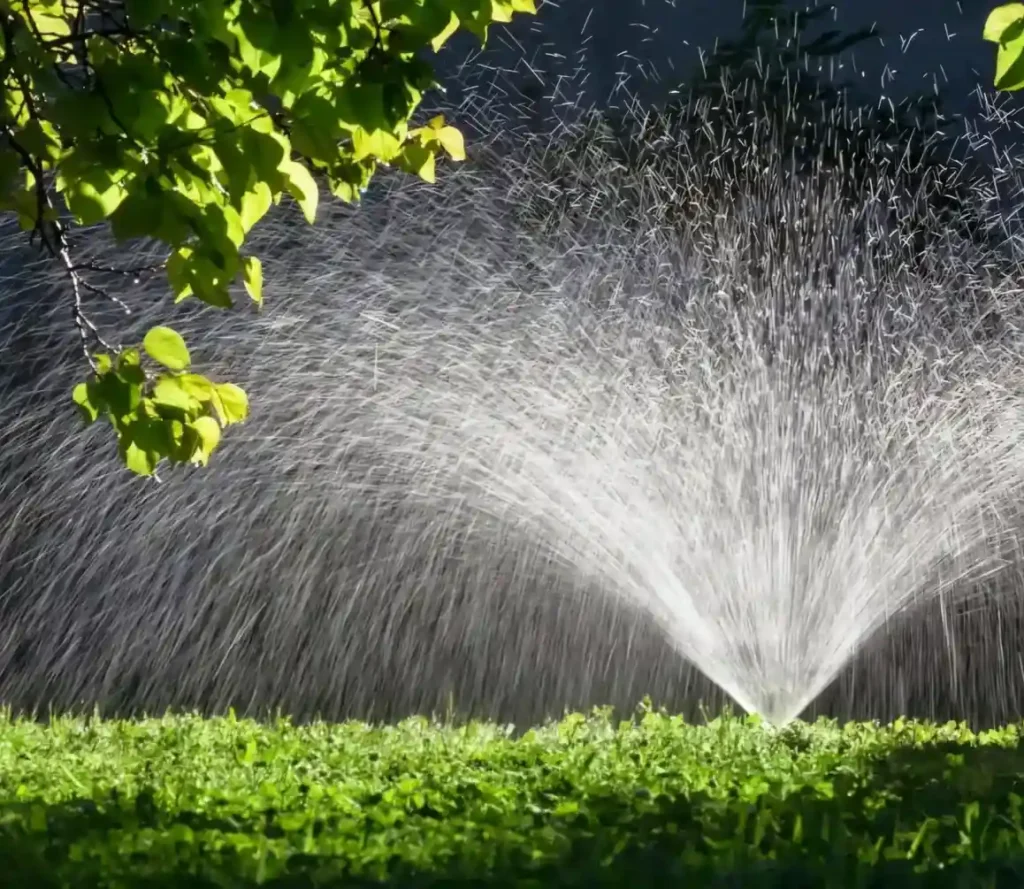
A garden sprinkler system is a network of pipes, valves, and sprinkler heads designed to distribute water across your garden or lawn. There are several types to consider, each suited to different needs:
- Fixed Sprinklers: These stationary heads spray water in a set pattern, ideal for small, defined areas like garden beds. They’re easy to install but require manual adjustment if plant layouts change.
- Rotating Sprinklers: Featuring spinning arms, these cover larger areas like lawns, delivering water in a circular motion. Adjust the spray radius to avoid overshooting onto paths or driveways.
- Oscillating Sprinklers: These move back and forth, providing even coverage for rectangular spaces. They’re user-friendly but can waste water if wind blows the spray off-target.
Installation involves laying out pipes (often PVC) and positioning heads to cover your garden evenly. Check local water pressure—too high can damage heads, while too low reduces reach. Regular maintenance, like clearing debris from nozzles, keeps them efficient. While effective, sprinklers can lose water to evaporation, especially in Sydney’s midday heat, so timing is key.
Smart Watering Solutions
Smart watering takes efficiency further by integrating technology to optimise water use. These solutions are particularly valuable during drought conditions. Here’s a simple guide to different smart watering methods and their benefits for Sydney gardens:
| Method | How It Works | Best Practices | Benefits |
| Timers & Controllers | Automate watering through preset schedules. | Set for early morning (5–7 AM) or late afternoon (5–7 PM) to minimise evaporation. Advanced controllers skip watering if rain is forecast. | Saves time, reduces evaporation, adapts to weather conditions. |
| Soaker Hoses | Porous hoses release water slowly along their length. | Place under mulch to direct water into soil and monitor to avoid overwatering. | Saves time, reduces evaporation, adapts to weather conditions. |
| Rain Sensors | Detect rainfall and override timers. | Install with irrigation systems to pause watering during wet weather. | Conserves water, prevents overwatering during Sydney’s unpredictable rain. |
| Manual Methods (Precision) | Water by hand using a watering can or hose with trigger nozzle. | Focus on the root zone, avoid wetting leaves to prevent fungal issues. | Cost-effective, precise control, best for small gardens. |
Maximising Efficiency
To get the most out of every drop of water in your Sydney garden, keep these simple tips in mind:
- Adapt to Sydney’s climate: Dry summers often require watering every 2–3 days for established plants, and even more frequently for new ones.
- Use the finger test: Check soil moisture by inserting your finger about 5 cm into the soil—if it feels dry, it’s time to water.
- Combine sprinklers with mulching: This pairing helps amplify moisture retention and reduces evaporation.
- Practise hydrozoning: Group plants with similar water needs together to avoid over- or under-watering.
Challenges and Considerations
When planning your garden’s watering system, keep these key challenges and considerations in mind:
- Evaporation loss: Up to 30% of water can vanish in hot weather, reducing efficiency.
- Wind impact: Strong winds can skew sprinkler spray patterns—position sprinklers carefully to minimise drift.
- Water restrictions: Sydney councils may limit usage (e.g., odd/even day schedules), so always check local rules.
- Rainwater tanks: Installing a tank provides a sustainable water source that can connect to sprinklers or soaker hoses.
- Smart watering approach: Choose systems that deliver water directly where it’s needed—whether a simple oscillating sprinkler or a timed setup—to keep plants healthy while reducing waste.
Practical Tips to Keep Your Garden Thriving Through Dry Seasons
Preparing your garden before the dry season hits is vital. Here are actionable steps to drought-proof your space:
Check and adjust irrigation systems before November
If you have a garden irrigation system installed, test it for leaks or blockages before the dry season peaks. Start by running the system to spot any drips or uneven water flow. Check sprinkler heads for clogs—debris like dirt or grass can block them—and clean with a pin or water pressure if needed. Inspect hoses and pipes for cracks or loose fittings, especially after winter wear. Adjust timers or valves to ensure water reaches all plants without over-saturating, preparing for Sydney’s hotter months ahead.
Replace thirsty lawns with native groundcovers
Swap water-guzzling grass with native ground cover plants to save water and effort. Traditional lawns like kikuyu or buffalo need frequent watering, while natives like dichondra, lippia, or native violets thrive on rainfall alone once established. These plants spread across the soil, reducing weed growth and retaining moisture naturally. Dig out the old turf, enrich the soil with compost, and plant ground covers 15-30 cm apart. They’ll green up your space with minimal upkeep, perfect for dry spells.
Mulch garden beds to retain moisture
Apply a thick layer of organic mulch—about 5-10 cm—to cut evaporation by up to 70% and keep soil cool. Use materials like bark chips, straw, or shredded leaves, spreading them evenly around plants but avoiding direct contact with stems to prevent rot. Mulch acts as a barrier, slowing water loss and suppressing weeds, while breaking down to enrich the soil over time. Reapply annually or after heavy rain to maintain its effectiveness during Sydney’s dry seasons.
Consider artificial grass installation for low-maintenance areas
Opt for artificial grass in high-traffic or sunny spots where natural lawns struggle. This synthetic turf mimics real grass without needing water, mowing, or fertilising, making it ideal for patios, play areas, or narrow strips. Choose a quality product with good drainage to avoid water pooling, and ensure a stable base like compacted sand or gravel. It stays green year-round, offering a practical solution for drought-prone regions while reducing yard work.
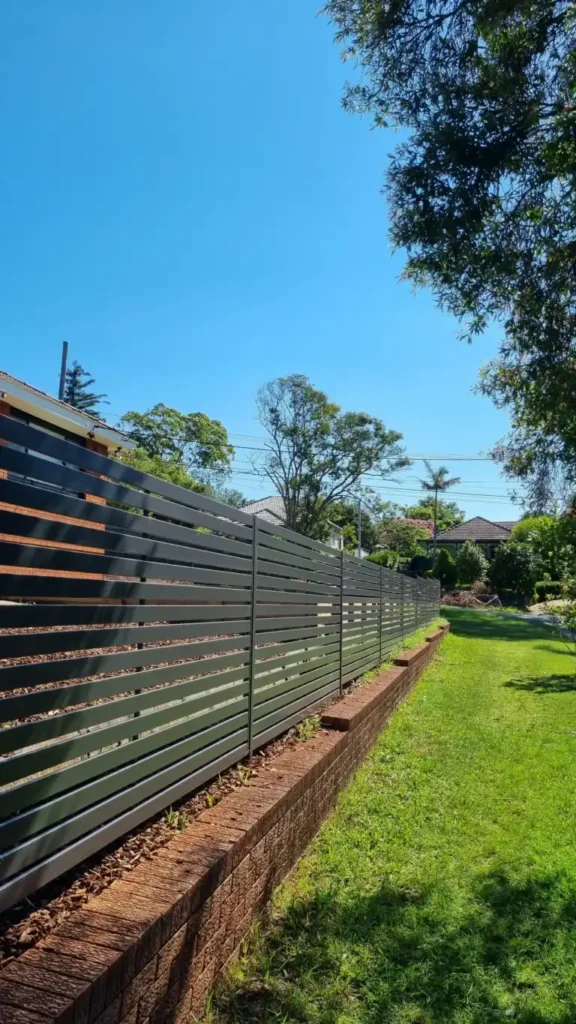
These steps, supported by Arianya’s landscape construction skills, turn your garden into a drought-resistant oasis. Adding fence installation to shield plants from wind can further boost resilience.
Why Choose Arianya for Drought-Smart Landscaping in Sydney
Arianya makes drought-smart landscaping simple for Sydney gardens. We offer a complete range of comprehensive garden maintenance services. From design and plant selection to planting and ongoing care, you can count on us to keep your garden vibrant and beautiful. Get in touch anytime—we’re here to help.